Post Here: Facebook
July Facebook - Spot the Vehicle Promotion
Post Here: Facebook
Quick answer: A home generator gives Concord, VA homeowners reliable backup power during storms, equipment failures, and seasonal outages. An emergency power generator keeps essential systems running automatically, protecting food, medications, heating, and home offices while improving safety and comfort during extended electrical disruptions. Modern homes run on electricity in ways that earlier generations never imagined. From smart thermostats and home offices to medical devices and refrigerators stocked with a week's worth of groceries, your daily routine depends on a steady flow of power. When that flow stops, life grinds to a halt fast. For homeowners in Concord, VA, power outages are more than a minor inconvenience. A single storm can knock out electricity for hours or even days, leaving families scrambling for flashlights, tossing spoiled food, and worrying about how to stay warm or cool. The good news is that you do not have to sit in the dark waiting for the lights to come back on. An emergency power generator offers a practical solution. It restores electricity automatically, protects your home, and gives you peace of mind when severe weather or grid problems strike. This guide explains how generators work, the benefits they bring, and how to choose the right one for your household. more Common Causes of Power Outages in Concord, VA Understanding why outages happen helps you prepare for them. Several factors regularly disrupt electricity for homeowners in this part of Virginia. Severe storms and high winds: Thunderstorms, ice storms, and tropical systems can overwhelm the grid quickly. Fallen trees and damaged power lines: Mature trees often bring down lines during storms. Equipment failures: Aging transformers and substations can fail unexpectedly. Seasonal weather events: Heat waves and winter storms increase system strain. Rising energy demand: Increased usage places additional pressure on infrastructure. What Is a Home Generator and How Does It Work? A home generator is a device that supplies electricity to your house when the main power source fails. The most common option for whole-home coverage is a standby generator installed outside the home. Standby units operate automatically. When an outage occurs, the generator starts within seconds and restores power through a transfer switch. Once utility power returns, the system shuts off on its own. These systems typically run on natural gas or propane, depending on what is available at the property. Benefits of Installing an Emergency Power Generator Keep essential appliances running: Refrigerators, lights, and internet stay powered. Maintain heating and cooling: Stay comfortable during extreme weather. Protect food and medications: Prevent spoilage and temperature-sensitive loss. Support remote work: Maintain connectivity during outages. Improve safety and comfort: Keep security systems and lighting active. Why Home Backup Power Is a Smart Investment A generator provides peace of mind and reduces disruption during outages. It helps prevent food loss, protects against frozen pipes, and allows daily life to continue with minimal interruption. Over time, these benefits can offset much of the installation cost. Choosing the Right Generator for Your Home Selecting the right system depends on your household’s power needs, fuel availability, and budget. Power needs: Determine which appliances must stay running. Generator size: Proper sizing ensures efficiency and reliability. Fuel type: Natural gas or propane depending on availability. Professional installation: Ensures safe operation and code compliance. Signs Your Home Could Benefit from a Generator Frequent power outages Remote work requirements Medical equipment dependency Exposure to severe weather Rural or wooded location Generator Maintenance Tips for Long-Term Reliability Inspect the unit regularly for wear or debris Check fuel systems for leaks or issues Maintain and test the battery Schedule annual professional servicing Run routine system tests Why More Homeowners in Concord, VA Are Installing Generators More homeowners are installing generators due to increasing storm frequency, greater reliance on home technology, and the need for uninterrupted comfort and safety. Backup power has become a practical home upgrade rather than a luxury. Stay Powered Through the Next Outage A home generator delivers safety, comfort, and reliability when the power goes out. For homeowners in Concord, VA, it ensures your home stays functional no matter the conditions outside. Contact us for more information! Frequently Asked Questions How much does an emergency power generator cost to install? Costs vary based on size, fuel type, and installation complexity. A professional estimate is recommended. How long can a standby generator run during an outage? Natural gas units can run continuously, while propane systems depend on tank size. Do I need a professional to install a home generator? Yes. Professional installation is required for safety, code compliance, and warranty protection. What size generator do I need for my home? It depends on the systems you want to power. A load calculation provides the most accurate sizing. Is a home generator worth it for occasional outages? Yes, especially if you rely on medical devices, work from home, or experience weather-related outages.
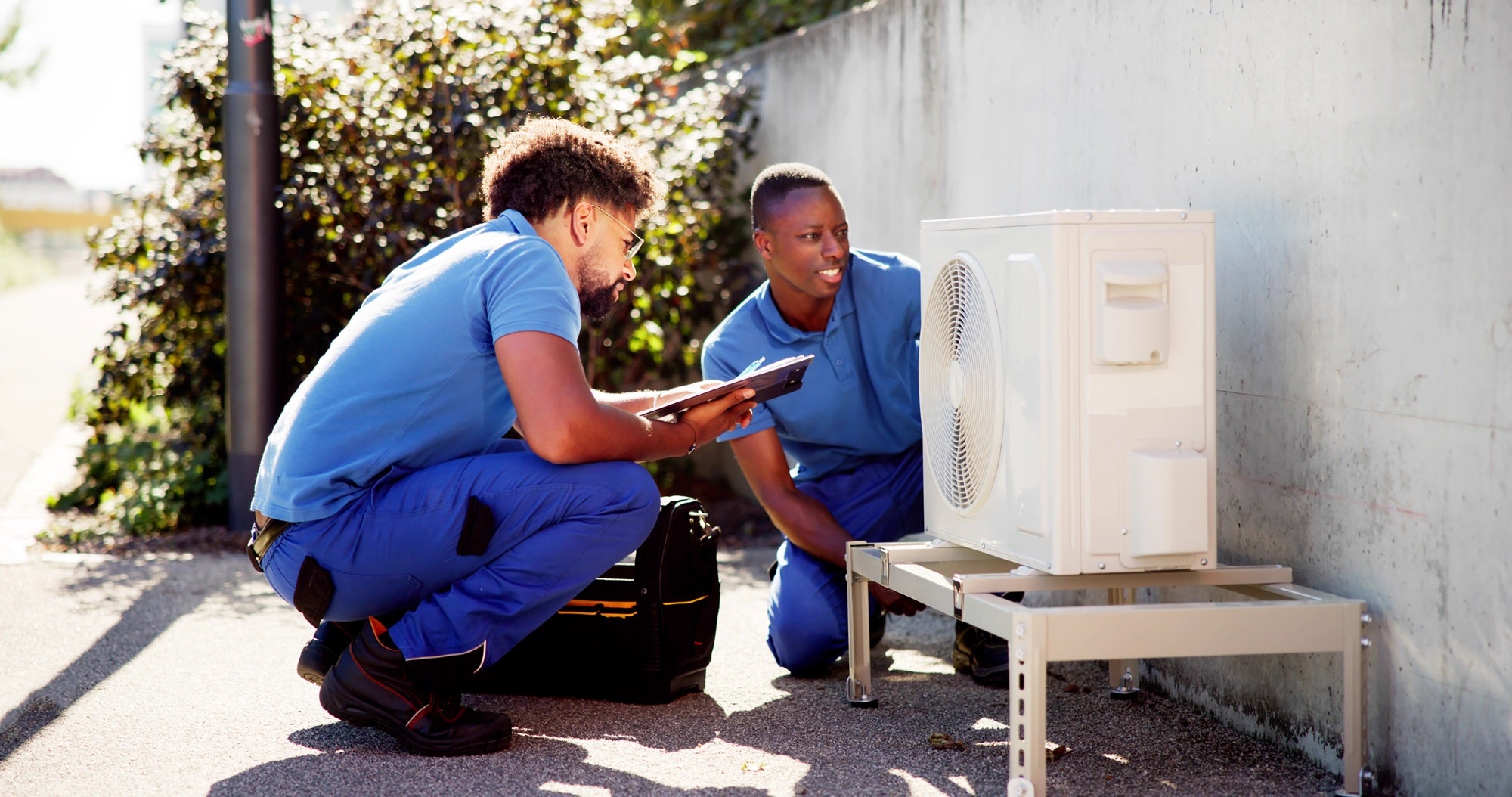
Mini split AC systems, also called ductless mini splits, are becoming increasingly popular in Lynchburg, VA homes and businesses. These systems provide efficient cooling and heating without the need for ductwork, making them ideal for older homes, room additions, or spaces where traditional HVAC installation is challenging. How a Mini Split AC System Works more A mini split AC system consists of two main components: an outdoor compressor/condenser and one or more indoor air-handling units. Refrigerant flows between the units, absorbing heat from indoor spaces and releasing it outside. Each indoor unit can be controlled independently, allowing for customized temperature zones and energy-efficient operation. The system works silently, provides rapid cooling or heating, and avoids the energy loss associated with ducted HVAC systems. This makes mini splits a reliable and effective solution for maintaining comfort in Lynchburg homes during both hot summers and colder months. Installation of a Mini Split AC Installation involves mounting the indoor unit on a wall or ceiling, running refrigerant lines and electrical wiring to the outdoor unit, and testing the system for proper function. A licensed professional ensures the refrigerant is charged correctly, the lines are insulated, and the system complies with local building codes. Proper installation is critical to ensure energy efficiency and long-term reliability. Benefits of Ductless Mini Split AC Systems Mini split AC units are highly versatile and offer several advantages: Energy-efficient operation with lower utility bills Zoned temperature control for individual rooms Quiet operation compared to traditional HVAC systems No ductwork required, preserving space and avoiding duct losses Flexible installation options for existing and new construction These benefits make mini split AC systems a practical choice for homeowners and businesses in Lynchburg seeking comfort and efficiency. Cost Considerations The cost of a mini split AC system varies depending on the number of indoor units, system capacity, installation complexity, and additional features such as remote control or Wi-Fi connectivity. While the upfront investment is higher than some traditional window units, the long-term energy savings, comfort, and flexibility often justify the cost. Who Installs Mini Split AC Systems Near Lynchburg, VA Licensed HVAC contractors, like the team at Hickey Plumbing, Air & Electrical, specialize in ductless mini split AC installation. They provide professional evaluation, system selection, and expert installation to ensure optimal performance. Working with a reputable installer guarantees compliance with local building codes, proper setup, and reliable operation for years to come. Conclusion Mini split AC systems offer an efficient, flexible, and modern solution for cooling and heating spaces without ductwork. From energy savings to customizable temperature zones, these systems provide comfort and convenience for Lynchburg, VA homeowners. For professional guidance, installation, and service, contact us to help you select and install the right ductless mini split AC system for your home.
You know the moment: you plug in your phone charger, a lamp, or the coffee maker…and nothing happens. You try wiggling the plug. You switch devices. Still nothing. Then it hits you: the outlet has stopped working. It’s the kind of surprise that can disrupt your routine, stall your productivity, and bring up a nagging worry about the safety of your home’s wiring. Whether you’re dealing with a single dead socket or a whole room of faulty outlets, it’s important to note that outlets can fail for several reasons. Once you understand the “why” behind your electrical outlet failing, you can take steps toward fixing it. Below, we break down the top causes of non-working outlets, the warning signs you shouldn’t ignore, and how to prevent issues in the first place so that you’re completely ready to take action. The Most Common Reasons Electrical Outlets Stop Working Before you assume your house needs a total rewire, take a look at the most common reasons behind a dead outlet. A Tripped Circuit Breaker Sometimes, the outlet isn’t the problem at all — the circuit feeding it is. If you overloaded a circuit (for example, used a hair dryer, space heater, and toaster on the same circuit), your breaker may have tripped to protect your home from an electrical fire. What to Check: Look at your electrical panel and see if a breaker is in the “off” position or stuck in the middle. Flip it fully off, then back on. If it trips again quickly, that’s a sign something else is going on, like a short circuit, a wiring issue, or a device drawing too much power. A Tripped GFCI Outlet GFCI outlets (the ones with “Test” and “Reset” buttons) are designed to shut off power fast if they sense an electrical imbalance, especially in areas with moisture, like the kitchen or bathrooms. In many homes, a single GFCI can protect multiple outlets downstream, meaning one reset could bring several dead outlets back to life. What to Check: Press “Reset” on any GFCI outlets nearby (and even in adjacent rooms). If it won’t reset, stop there — professional troubleshooting is the next step. A Loose Connection Behind the Outlet Outlets can loosen over time from everyday use, especially if plugs are inserted and removed constantly. Eventually, the loose wire will cause intermittent power or total failure. Common clues that you have a loose wire or connection include: The outlet works sometimes, but not consistently. Plugs feel loose or fall out easily. You have to “position” a plug just right to get power. It’s important to note that loose connections can lead to arcing (tiny electrical flashes), which increases the risk of an electrical fire. So, please do not ignore a faulty outlet! A Worn-Out or Damaged Outlet Outlets don’t last forever. Over time, internal contact points wear down, and the outlet can stop holding a secure connection. Physical damage (from impact, heat, or DIY mishaps) can also cause failure. Watch for: Cracks in the cover plate or outlet. Dark marks or discoloration. Melted plastic or a “hot” smell. An outlet that feels warm to the touch. If you notice any of these, avoid using the outlet and call a licensed electrician. A Backstabbed Wiring Failure Some outlets are wired using “backstab” connections, where wires are pushed into holes in the back instead of being secured under screw terminals. This method can be faster during installation, but it’s more prone to loosening over time and can cause outlets to fail (or cause downstream outlets to die). This is a great example of an issue that’s hard to diagnose without electrical experience because the “dead outlet” you see may not be where the real failure is. A Half-Hot Outlet Controlled by a Switch In some rooms, one outlet is intentionally controlled by a wall switch (often for lamps). If you don’t realize that, it can seem like the outlet is broken when it’s simply switched off. Perform this quick test to see if this is the problem you’re dealing with: Flip nearby switches on and off while something is plugged in (like a lamp). If it comes on with a switch, the outlet may be working normally. A Bigger Wiring Problem (Including Rodent Damage or Aging Systems) Sometimes, the issue is deeper: damaged wiring, deteriorating insulation, rodent-chewed cables, corrosion, or overloaded circuits that were never designed for modern electrical demand. If multiple outlets fail repeatedly or you’re noticing other electrical symptoms around the house, it’s time for a professional evaluation. Warning Signs You Shouldn’t Ignore Outlet problems often begin to show themselves before a full failure occurs. Contact Hickey Plumbing, Air & Electrical if you notice: Buzzing, sizzling, or crackling sounds Burning smells near an outlet or electrical panel Flickering lights when using appliances Warm outlets or warm cover plates Frequent breaker trips or repeated GFCI trips Sparking when plugging something in Shocks or tingling when touching a plug or device Why Professional Electrical Repairs Are So Important Electrical troubleshooting isn’t just about getting power back; it’s about making sure the reason your outlet failed doesn’t create a safety hazard later. A licensed electrician can safely pinpoint whether the problem is a faulty outlet, a loose connection, a damaged wire, a failing breaker, a circuit overload, or a downstream issue tied to a GFCI or shared circuit. Professional repairs also ensure everything meets code and operates reliably. Even if an outlet “seems fine” after a reset, recurring failures mean something needs attention from a qualified technician. Prevention Tips to Keep Electrical Outlets Working Reliably A few smart habits can reduce outlet issues and help protect your home’s electrical system: Avoid overloading outlets. High-wattage devices should be spread across different circuits when possible. Use surge protection where appropriate. High-quality surge protectors shield electronics, computers, TVs, and appliances from voltage spikes. Replace aging outlets. If outlets feel loose, don’t hold plugs well, or show discoloration, it’s time for an upgrade. Upgrade to GFCI protection in moisture-prone areas. This simple safety improvement prevents more serious incidents. Schedule annual inspections. An electrical safety inspection can catch loose connections and outdated components before they become emergencies. Get Outlet Problems Fixed Fast in Lynchburg, VA Is one of your electrical outlets giving you trouble? The professionals at Hickey Plumbing, Air & Electrical can jump into action instantly and lay out all of your options so you can make the right decision for your home. Connect with our Lynchburg technicians today to diagnose the issue and get safe, reliable power back where you need it.